Discover Seychelles
Discover Seychelles with Sunspot Tours through our Seychelles holidays, Seychelles cruises, and Seychelles multi-centre holidays.
Seychelles brings together distinctive landscapes, local traditions and places that reward a closer look. The contrast between Mahé and Praslin gives visitors a sense of the destination’s range, while everyday encounters with its people, markets and food add depth to a holiday.
Why visit Seychelles?
Start with Mahé, an important part of the destination’s appeal, then make time for Praslin. These contrasting places help explain why visitors can enjoy such varied experiences within one journey.
Other highlights include La Digue and Vallée de Mai. These places offer contrasting perspectives, from well-known sights to opportunities to appreciate regional landscapes and everyday life.
Culture and character
Culture in Seychelles is closely connected to Seychellois Creole culture and island conservation. These influences appear in local celebrations, historic buildings, crafts and the rhythms of ordinary life. Visiting markets, neighbourhood streets and smaller communities can reveal details that are easy to miss when moving quickly between major sights.
Respectful curiosity goes a long way. Taking time to learn about local customs, dress appropriately at religious or historic places where required, and support small businesses can make a visit more rewarding for travellers and hosts alike.
Food and drink
Food offers another way to discover the destination. Look out for octopus curry, grilled fish and coconut dishes, while exploring how ingredients and recipes change between regions and communities. Local restaurants and markets can be especially useful places to try everyday dishes rather than relying only on familiar international menus.
If you have dietary requirements, check ingredients and preparation methods before ordering. Sampling seasonal produce and local drinks, where suitable, can add another memorable dimension to the trip.
When to visit Seychelles
The most suitable travel dates depend on your interests and the places you plan to visit. As a general guide, year-round warm, with variable winds and showers. Weather can differ between coastal, inland, mountain and urban areas, so check conditions for the specific stops on your itinerary rather than relying on one countrywide forecast.
Practical information
For a beach-focused trip, consider sea conditions, the amount of shade available and the location of your hotel in relation to restaurants and attractions. Pack effective sun protection and comfortable footwear for trips away from the resort.
Before leaving the UK, check current entry and passport requirements, travel insurance and official travel advice for Seychelles. Confirm payment arrangements, any recommended vaccinations and how you will get around between the places you wish to visit.
Why visit Seychelles with Sunspot Tours?
With Sunspot Tours, you can explore holiday options for Seychelles and find a stay that matches the pace of your trip. Compare accommodation, locations and board arrangements, taking account of the beaches, local attractions and experiences you would most like to enjoy.
Take a closer look at the available Seychelles holidays and start planning a journey that reflects what you most want to see.
Your holiday in Seychelles is just a phone call away
Telephone our experts today on 0800 408 0506
Similar destinations to Seychelles

Your Seychelles Questions Answered
Find out more about visiting Seychelles with the answers to these frequently asked questions.
We're here to help
Seychellois cuisine is influenced by Creole, French, and Indian flavours. It features fresh seafood, coconut, rice, and tropical fruits. Popular dishes include grilled fish, curry, and octopus, often served with rice and salad.
It is generally safe to eat food in Seychelles, especially at reputable restaurants and hotels. As with any destination, it’s a good idea to stick to fresh, well-cooked food and drink bottled water.
Yes, travel insurance is highly recommended. It provides coverage for medical emergencies, trip cancellations, and lost luggage, ensuring peace of mind during your travels.
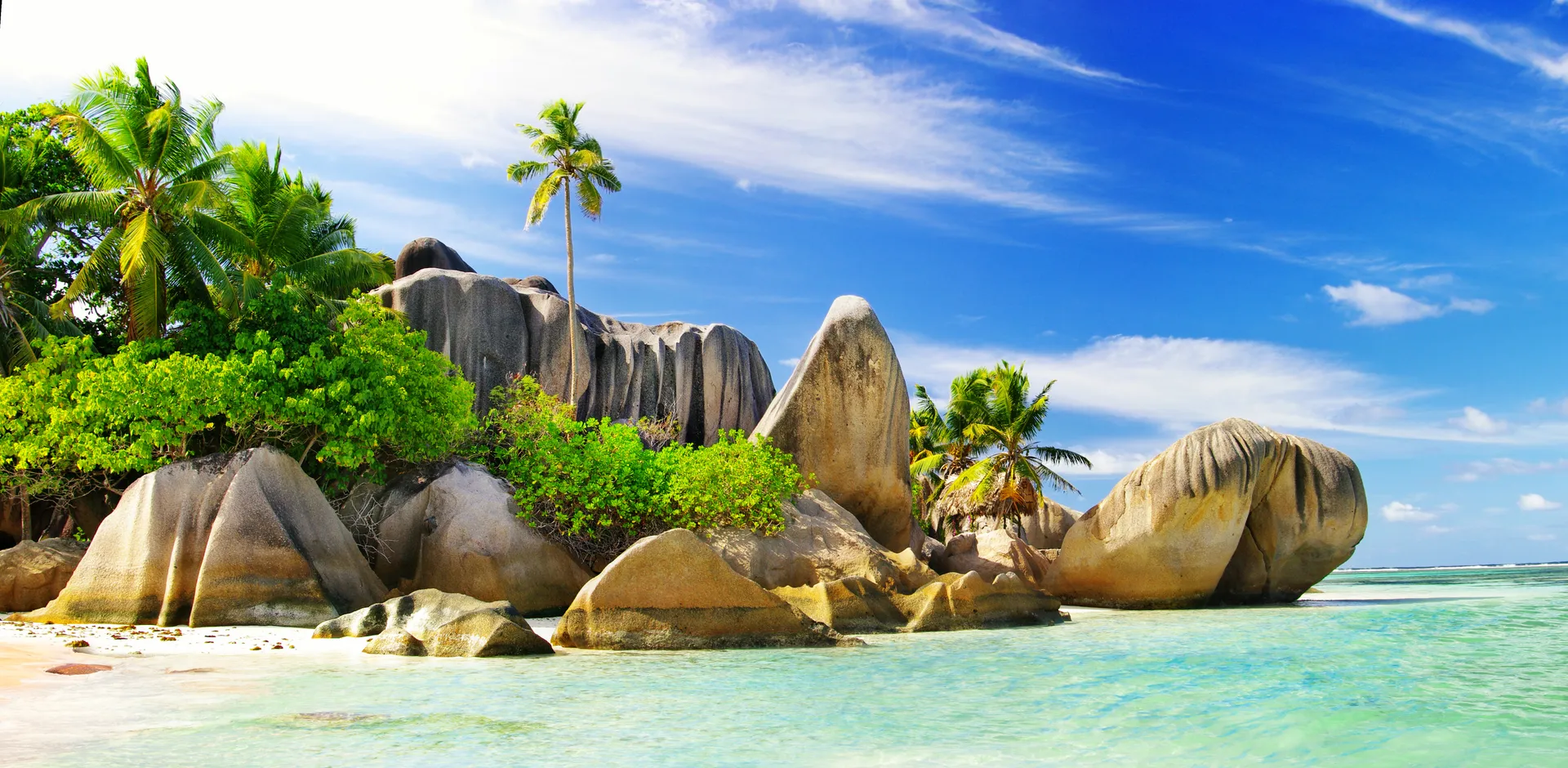
Must-see attractions in Seychelles include the stunning beaches of Praslin and La Digue, the Vallee de Mai Nature Reserve, a UNESCO World Heritage site, and the capital city of Victoria. Explore the unique granite rock formations on La Digue, and don’t miss a boat trip to the nearby islands like Curieuse and Cousin Island.
Seychellois are friendly and welcoming. When visiting religious sites, dress modestly and remove shoes if requested. It’s also polite to greet people with a handshake or a friendly "Bonjour" or "Good morning".
Pack light, comfortable clothing suitable for tropical weather. Bring swimwear, sunscreen, and sunglasses for the beach, as well as a hat for sun protection. If you plan to hike, bring sturdy footwear and insect repellent.
The best time to visit Seychelles is during the dry season, from April to October, with pleasant temperatures and less rainfall. November to March is warmer and more humid, with a higher chance of rain, but still a great time for beach lovers.
Seychelles is generally considered safe for tourists. Standard precautions should be taken, such as safeguarding personal belongings and being mindful of your surroundings, especially in crowded areas.
The official languages of Seychelles are English, French, and Seychellois Creole. English is commonly spoken, especially in tourist areas, so language is not usually a barrier for visitors.
The currency used in Seychelles is the Seychellois Rupee (SCR). Credit cards are widely accepted in most hotels, restaurants, and shops. However, it’s advisable to carry some cash for smaller purchases, especially in more remote areas.