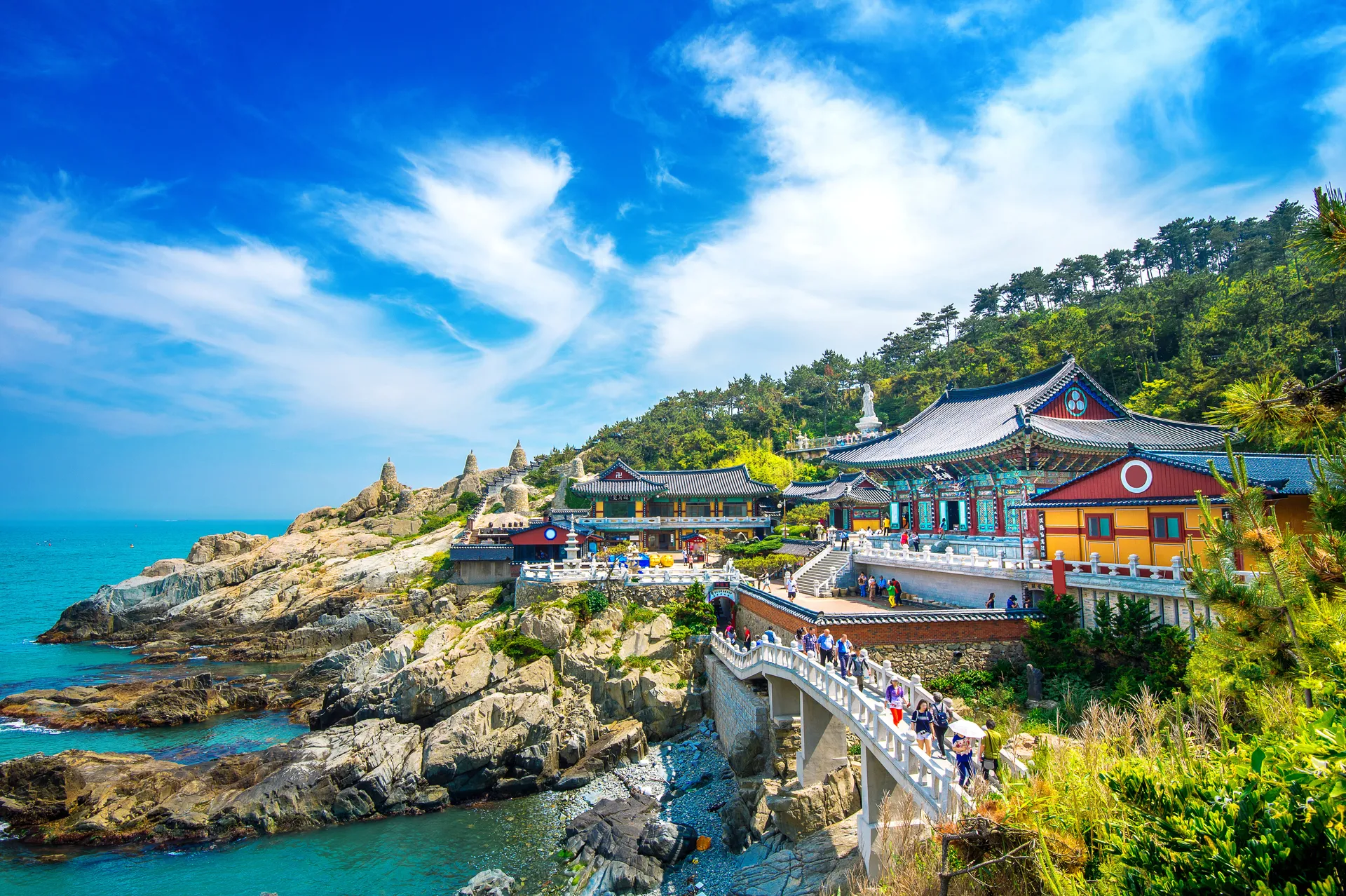
Discover South Korea
Discover South Korea with Sunspot Tours through our South Korea escorted rail journeys and South Korea escorted tours.
Few journeys are shaped by one attraction alone. In South Korea, striking scenery sits alongside local heritage, varied neighbourhoods and regional cooking. Whether your interests lie in Seoul palaces or Gyeongju, there are rewarding ways to spend time beyond the usual highlights.
Why visit South Korea?
Start with Seoul palaces, an important part of the destination’s appeal, then make time for Gyeongju. These contrasting places help explain why visitors can enjoy such varied experiences within one journey.
Other highlights include Busan and Jeju Island. These places offer contrasting perspectives, from well-known sights to opportunities to appreciate regional landscapes and everyday life.
Culture and character
Culture in South Korea is closely connected to Korean dynastic heritage, hanbok and contemporary culture. These influences appear in local celebrations, historic buildings, crafts and the rhythms of ordinary life. Visiting markets, neighbourhood streets and smaller communities can reveal details that are easy to miss when moving quickly between major sights.
Respectful curiosity goes a long way. Taking time to learn about local customs, dress appropriately at religious or historic places where required, and support small businesses can make a visit more rewarding for travellers and hosts alike.
Food and drink
Food offers another way to discover the destination. Look out for bibimbap, kimchi and Korean barbecue, while exploring how ingredients and recipes change between regions and communities. Local restaurants and markets can be especially useful places to try everyday dishes rather than relying only on familiar international menus.
If you have dietary requirements, check ingredients and preparation methods before ordering. Sampling seasonal produce and local drinks, where suitable, can add another memorable dimension to the trip.
When to visit South Korea
The most suitable travel dates depend on your interests and the places you plan to visit. As a general guide, April to May and September to October often mild. Weather can differ between coastal, inland, mountain and urban areas, so check conditions for the specific stops on your itinerary rather than relying on one countrywide forecast.
Practical information
Sightseeing days may involve uneven paving, steps or longer road journeys. Comfortable walking shoes, layers suited to local weather and a small day bag are sensible additions to your luggage.
Before leaving the UK, check current entry and passport requirements, travel insurance and official travel advice for South Korea. Confirm payment arrangements, any recommended vaccinations and how you will get around between the places you wish to visit.
Why visit South Korea with Sunspot Tours?
Planning a journey through South Korea is easier when the main arrangements are organised in advance. Explore the options available with Sunspot Tours and compare the routes, inclusions and departure dates that best match the experiences you want. Where offered, escorted tours can help visitors travel between key sights with local insight and a structured itinerary.
Take a closer look at the available South Korea holidays and start planning a journey that reflects what you most want to see.
Your holiday in South Korea is just a phone call away
Telephone our experts today on 0800 408 0506


Your South Korea Questions Answered
Find out more about visiting South Korea with the answers to these frequently asked questions.
We're here to help
Korean cuisine is flavourful and diverse, with dishes like kimchi (fermented vegetables), bibimbap (rice with mixed vegetables and meat), and bulgogi (marinated grilled beef). Street food such as tteokbokki (spicy rice cakes) is also popular, and meals often include a variety of side dishes.
It is generally safe to eat food in South Korea, especially at reputable restaurants and hotels. As with any destination, it’s a good idea to stick to fresh, well-cooked food and drink bottled water.
Yes, travel insurance is highly recommended. It provides coverage for medical emergencies, trip cancellations, and lost luggage, ensuring peace of mind during your travels.
Must-see attractions in South Korea include the vibrant capital of Seoul with its historic palaces and bustling markets, the ancient city of Gyeongju, the Demilitarised Zone (DMZ), and the coastal city of Busan.
A bow or slight nod is common when greeting, and it's polite to remove your shoes before entering certain traditional places.
Pack according to the season: light clothing for summer (June to August) and warmer layers for winter (December to February). Bring comfortable shoes for exploring, and if you’re visiting temples, modest clothing is recommended.
The best times to visit South Korea are in spring (April to June) and autumn (September to November), when the weather is mild and the country’s natural beauty is at its peak, especially with cherry blossoms and autumn leaves.
South Korea is one of the safest countries for tourists. However, as always, be sure to take basic precautions like safeguarding your belongings and being aware of your surroundings.
The official language is Korean. While English is taught in schools and commonly used in tourist areas, it’s useful to learn a few basic Korean phrases to enhance your experience.
The currency used in South Korea is the South Korean Won (KRW). Credit cards are widely accepted in major cities, but it’s helpful to carry some cash, especially in more rural areas or small shops.