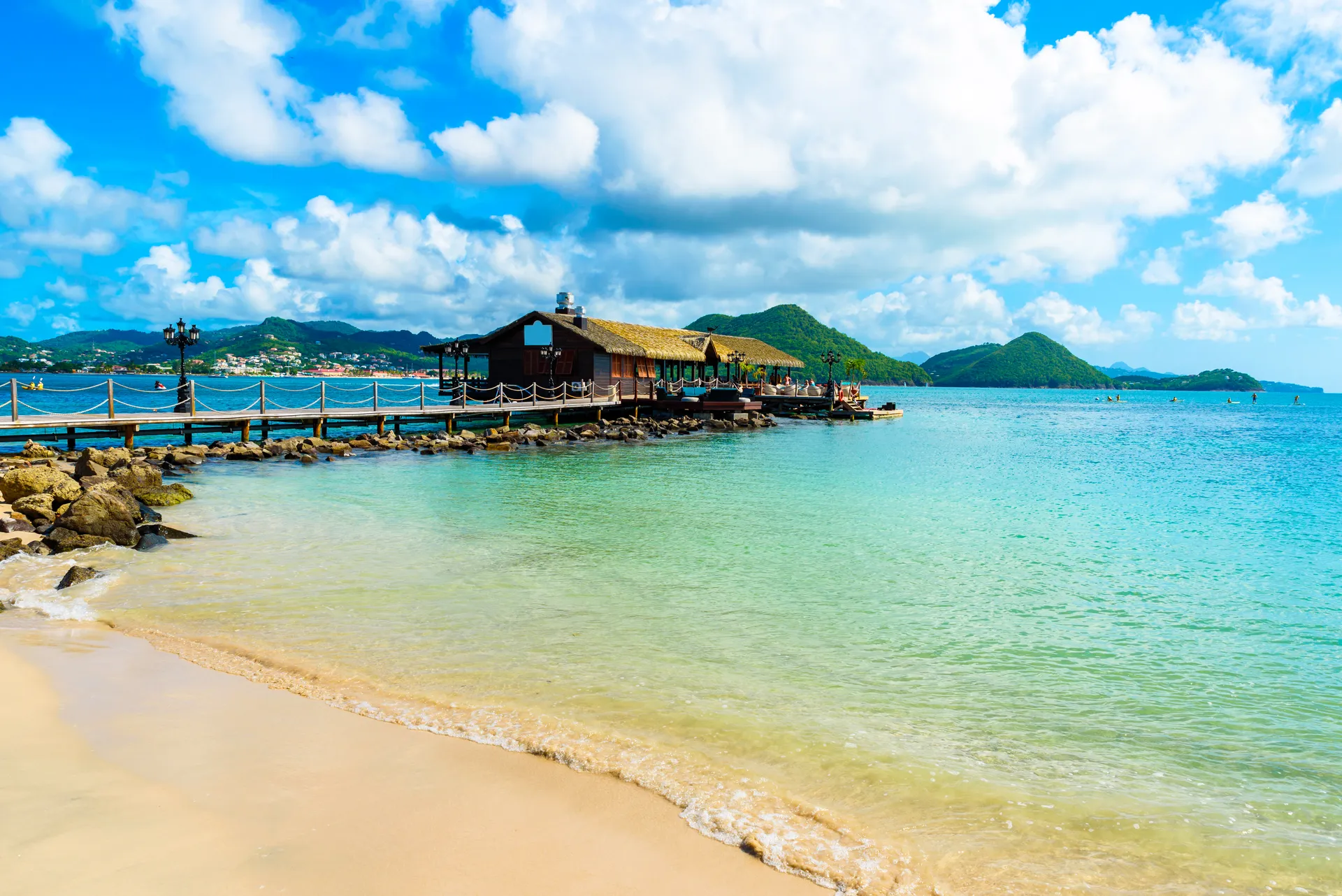
Discover St Lucia
Discover Saint Lucia with Sunspot Tours on our Saint Lucia holidays.
For UK travellers, Saint Lucia offers a chance to discover a different pace of life, with memorable scenery and cultural experiences along the way. From Gros Piton and Petit Piton to Sulphur Springs, the appeal lies as much in the details of each place as in its best-known landmarks.
Why visit Saint Lucia?
Start with Gros Piton and Petit Piton, an important part of the destination’s appeal, then make time for Sulphur Springs. These contrasting places help explain why visitors can enjoy such varied experiences within one journey.
Other highlights include Pigeon Island and Rodney Bay. These places offer contrasting perspectives, from well-known sights to opportunities to appreciate regional landscapes and everyday life.
Culture and character
Culture in Saint Lucia is closely connected to Creole culture, cocoa-growing and colourful island festivals. These influences appear in local celebrations, historic buildings, crafts and the rhythms of ordinary life. Visiting markets, neighbourhood streets and smaller communities can reveal details that are easy to miss when moving quickly between major sights.
Respectful curiosity goes a long way. Taking time to learn about local customs, dress appropriately at religious or historic places where required, and support small businesses can make a visit more rewarding for travellers and hosts alike.
Food and drink
Food offers another way to discover the destination. Look out for green fig and saltfish, callaloo and cacao, while exploring how ingredients and recipes change between regions and communities. Local restaurants and markets can be especially useful places to try everyday dishes rather than relying only on familiar international menus.
If you have dietary requirements, check ingredients and preparation methods before ordering. Sampling seasonal produce and local drinks, where suitable, can add another memorable dimension to the trip.
When to visit Saint Lucia
The most suitable travel dates depend on your interests and the places you plan to visit. As a general guide, December to April typically drier. Weather can differ between coastal, inland, mountain and urban areas, so check conditions for the specific stops on your itinerary rather than relying on one countrywide forecast.
Practical information
For a beach-focused trip, consider sea conditions, the amount of shade available and the location of your hotel in relation to restaurants and attractions. Pack effective sun protection and comfortable footwear for trips away from the resort.
Before leaving the UK, check current entry and passport requirements, travel insurance and official travel advice for Saint Lucia. Confirm payment arrangements, any recommended vaccinations and how you will get around between the places you wish to visit.
Why visit Saint Lucia with Sunspot Tours?
With Sunspot Tours, you can explore holiday options for Saint Lucia and find a stay that matches the pace of your trip. Compare accommodation, locations and board arrangements, taking account of the beaches, local attractions and experiences you would most like to enjoy.
Take a closer look at the available Saint Lucia holidays and start planning a journey that reflects what you most want to see.
Your holiday in St Lucia is just a phone call away
Telephone our experts today on 0800 408 0506
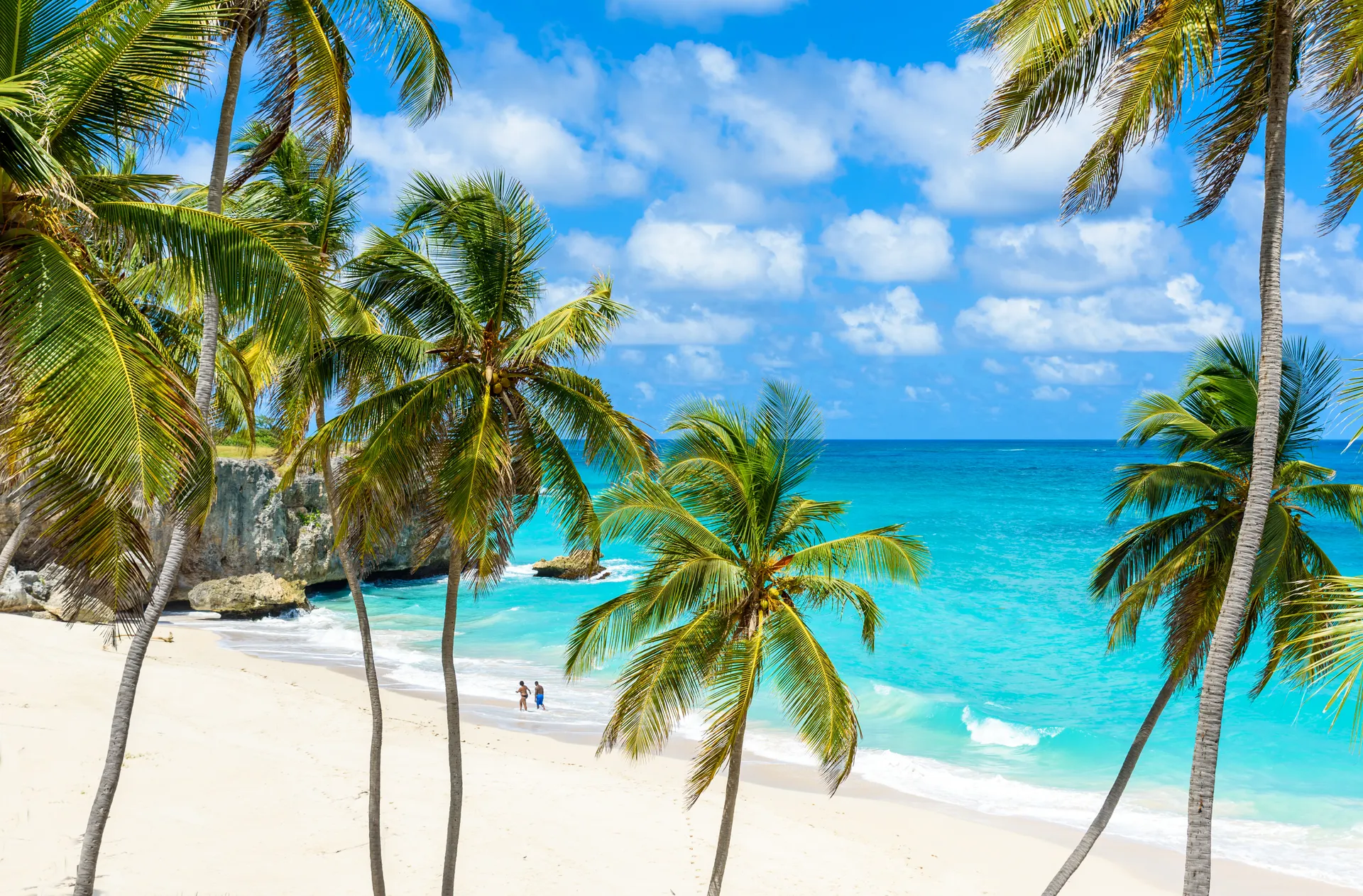
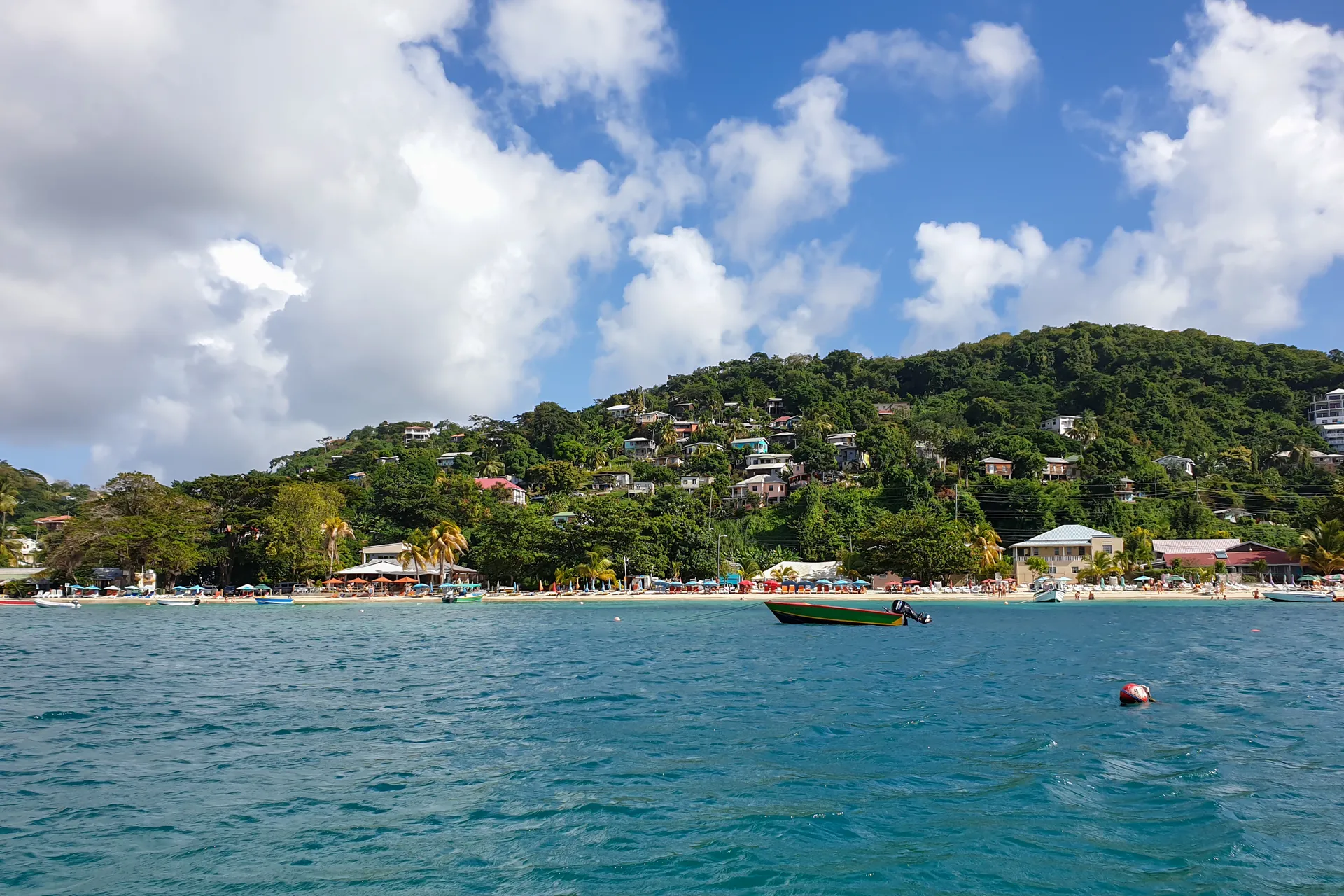
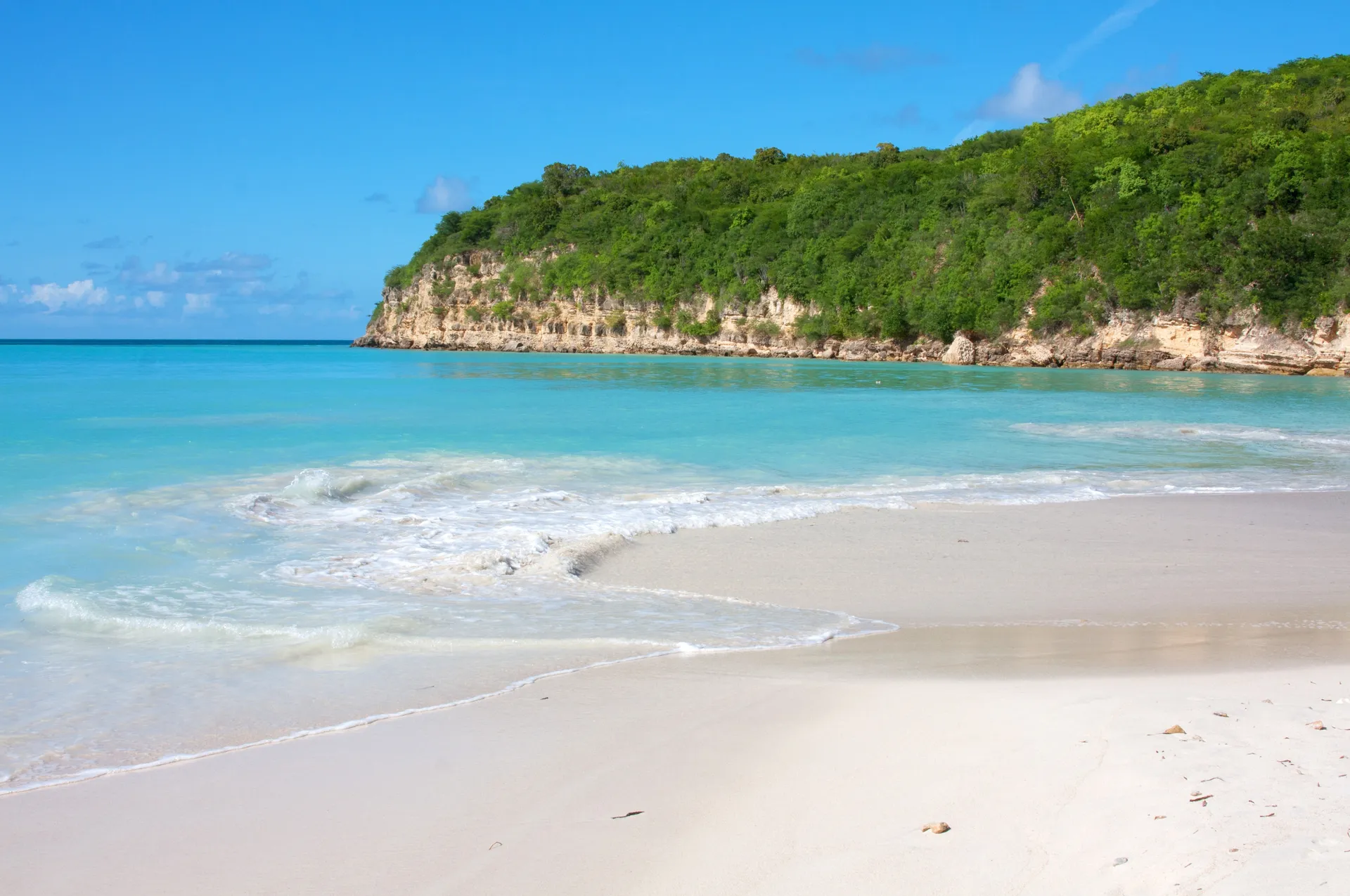
Your St Lucia Questions Answered
Find out more about visiting St Lucia with the answers to these frequently asked questions.
We're here to help
Saint Lucian cuisine features fresh seafood, tropical fruits, and Creole-inspired flavours. Popular dishes include green fig and saltfish (the national dish), callaloo soup, breadfruit, and grilled fish. You’ll also find a variety of Caribbean and international options.
The food in Saint Lucia is generally safe to eat. Restaurants and food vendors maintain good hygiene standards. Tap water is treated, but bottled water is recommended for drinking. Enjoy the island’s vibrant and flavorful cuisine with confidence.
Yes, travel insurance is recommended when visiting Saint Lucia. It can cover medical emergencies, trip cancellations, lost luggage, and other unexpected events, ensuring peace of mind during your trip.
Must-see attractions in Saint Lucia include the iconic Piton mountains, the world’s only drive-in volcano at Sulphur Springs, the stunning beaches of Reduit and Anse Chastanet, and the lush rainforest trails in the interior.
Yes, casual dress is fine in most places, but modest attire is appreciated when visiting religious sites or local communities. A friendly greeting is customary, and showing respect for local traditions is always valued.
Pack lightweight, breathable clothing, swimwear, sunscreen, sunglasses, a hat, and comfortable footwear for exploring. A light rain jacket can be handy, and don’t forget insect repellent for outdoor activities.
The best time to visit Saint Lucia is from December to April, during the dry season, when the weather is warm and sunny, with temperatures ranging from 26°C to 30°C (79°F to 86°F). This period is ideal for beach activities, exploring nature, and enjoying the island’s vibrant culture. The summer months (June to August) are also warm, with temperatures reaching up to 32°C (90°F), perfect for soaking up the sun and experiencing the island’s lively festivals.
Yes, Saint Lucia is generally a safe destination for tourists. It’s recommended to take standard precautions, such as keeping an eye on your belongings, avoiding isolated areas at night, and using licensed taxis.
English is the official language of Saint Lucia. Saint Lucian Creole French (Kwéyòl) is also spoken, especially in local communities, but English is widely used in tourist areas.
The currency used in Saint Lucia is the Eastern Caribbean Dollar (XCD). US dollars are also widely accepted, especially in tourist areas. Credit and debit cards are commonly used in hotels, restaurants, and shops.